A grounded approach to wedding photography that protects the experience, not just the outcome
When people start planning a wedding, they rarely begin with photography. They start with a feeling. A sense of how they want the day to move, who they want to be surrounded by, what it should feel like to be there. Something intentional, personal, not pulled from a template. But somewhere along the way, usually when they begin searching for a wedding photographer, the focus subtly shifts. Timelines start to revolve around light. Conversations get interrupted for portraits. Moments are paused, adjusted, sometimes even repeated. The day begins to organize itself around how it will be photographed, rather than how it will be lived.
This is where the disconnect happens.
The issue is not that couples care about their photos. Of course they do. The issue is the belief that in order to have meaningful, elevated, editorial wedding photos, the day itself needs to be controlled, directed, and shaped into something it is not. That a wedding must become a production in order to be documented well. It sounds logical on the surface, but in practice, it often creates the exact experience people were trying to avoid. You end up spending the day stepping in and out of your own life, managing moments instead of being inside them.
A wedding does not need to be built around the photos to be beautifully documented. In fact, the opposite tends to be true.
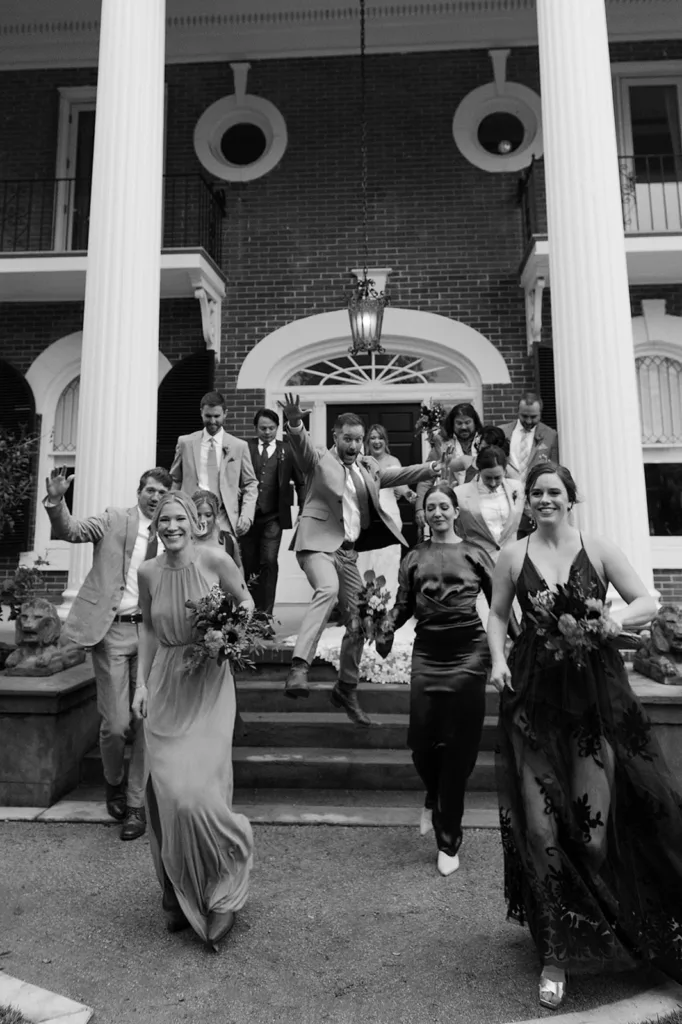
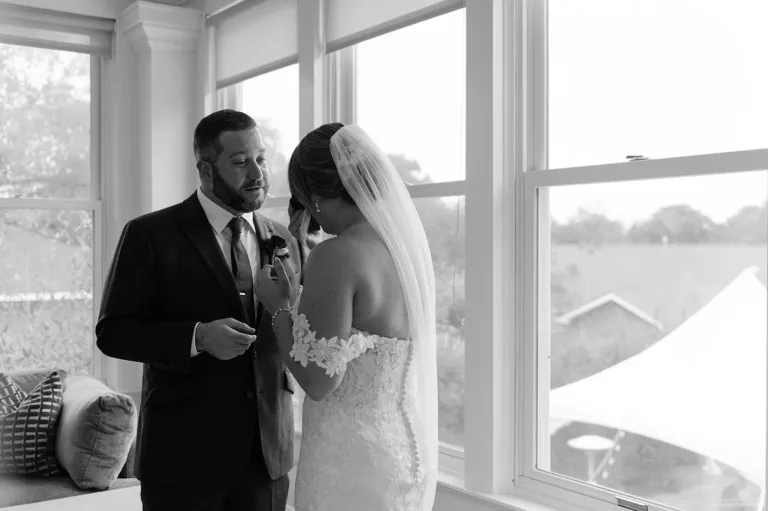
The most compelling images, the ones that hold weight over time, don’t come from recreating something or directing it into place. They come from paying attention to what is already there. The way your partner looks at you when no one is asking them to. The way your friends move around you during cocktail hour. The quiet, in-between moments that aren’t planned, but end up meaning the most. These are not things that can be manufactured or improved through interruption. They require space. They require trust. They require a photographer who knows when to step in, and when to let something unfold.
This is where a different approach to documentary wedding photography begins to matter.
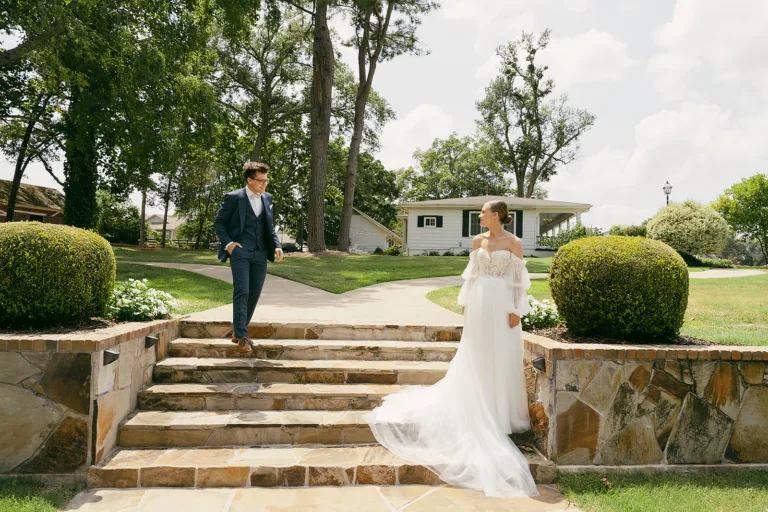
It does not mean a lack of intention. It does not mean you are left alone without guidance. It means the guidance is integrated, not imposed. Portraits happen without pulling you away for long stretches. The timeline supports the day instead of controlling it. There is direction when it’s needed, but it never overrides what is naturally happening. You are not asked to perform or become someone else for the sake of the image. You are simply allowed to stay where you are, fully present, while everything meaningful unfolds around you.
For couples planning a wedding in Texas, Dallas, Houston, or East Texas, this often becomes the deciding factor. Not just how the photos will look, but how the day will feel while they are being taken. The concern is rarely about whether the photographer is talented. It is about whether the process will pull them out of their own experience. Whether they will spend more time being managed than actually being with their people.
A thoughtful wedding photographer understands that tension and builds their approach around removing it.
The role is not to control the day. It is to protect it.
This means not interrupting moments that matter. Not recreating something that has already passed. Not reducing the day into a checklist of required images. It means observing closely, anticipating gently, and stepping in only when it adds to the experience instead of taking away from it. The result is not just a gallery that looks cohesive and artful, but one that feels accurate. One that reflects the full shape of the day, not just the parts that were staged or directed.
For couples investing in high-end wedding photography, this distinction becomes even more important. At a certain level, beautiful images are expected. What separates one experience from another is how those images are created. Whether the process supports the day or quietly reshapes it. Whether you leave your wedding feeling like you were fully there, or like you were constantly stepping out of it to make something for the camera.
You should not have to choose between having a meaningful experience and having refined, elevated photographs.
The best work happens when those two things are not in conflict.
When your wedding is allowed to be what it actually is, not a version designed for documentation, the photographs carry something deeper. They hold movement, atmosphere, presence. They feel lived-in. You don’t look at them and think about how they were created. You remember being there. The conversations, the pace, the small details you didn’t realize were being noticed.
That is the difference between a wedding that was photographed and a wedding that was turned into a photoshoot.
One asks you to step out of your day.
The other allows you to stay in it.
And in the end, that is what most people are actually looking for. Not just images that look beautiful, but an experience that never required them to trade presence for the outcome.